What the River Was

What the River Was moves in three currents: the natural world of South Carolina creeks and watershed margins; found poems drawn from National Geographic, language repurposed to tell the story of a planet being stripped; and a return to the river as family history, grief, and reckoning. Andrew Mack's second collection.

What the River Was
On Sale from $10.00

More Info

Learn about the author and the book

These poems track muskrats and herons, a father met on the shoulder of Highway 6, ancestors who walked south from Virginia after the Civil War and didn't all make it. The collection asks what we owe the land and each other, and finds that the answer — like the river — is the same thing.

The middle section draws on found language from National Geographic — words repurposed to tell the story of a planet being stripped while we watched and named things. It sits between the personal sections as both interruption and extension, a reminder that the private grief and the ecological one are the same grief.

What the River Was is Andrew Mack's second collection, re-released under Loblolly Press in 2025.

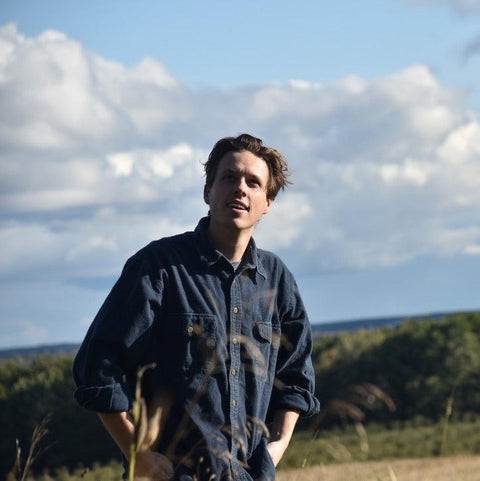
Andrew Mack (formerly McIver) is the Founder and Managing Editor of Loblolly Press. His commitment to fostering emerging writers particularly those from marginalized or underrepresented communities drives Loblolly Press's mission to showcase contemporary poetry, short fiction, and novels with a distinctly Southern voice. Andrew has published two collections of his own poetry, Weekend Revival and What the River Was. He lives in Asheville, NC with his partner.

About Andrew Mack

Literary Community

Every purchase helps us support and grow a community of writers and readers who see themselves represented in the work we publish.

Author Royalties

We believe in equitable partnership with writers, splitting profits 50/50 with our writers once production costs are recovered.

Authentic, Southern Voices

Our carefully selected titles offer fresh, authentic voices and compelling stories that reflect the rich diversity and complexity of our region.